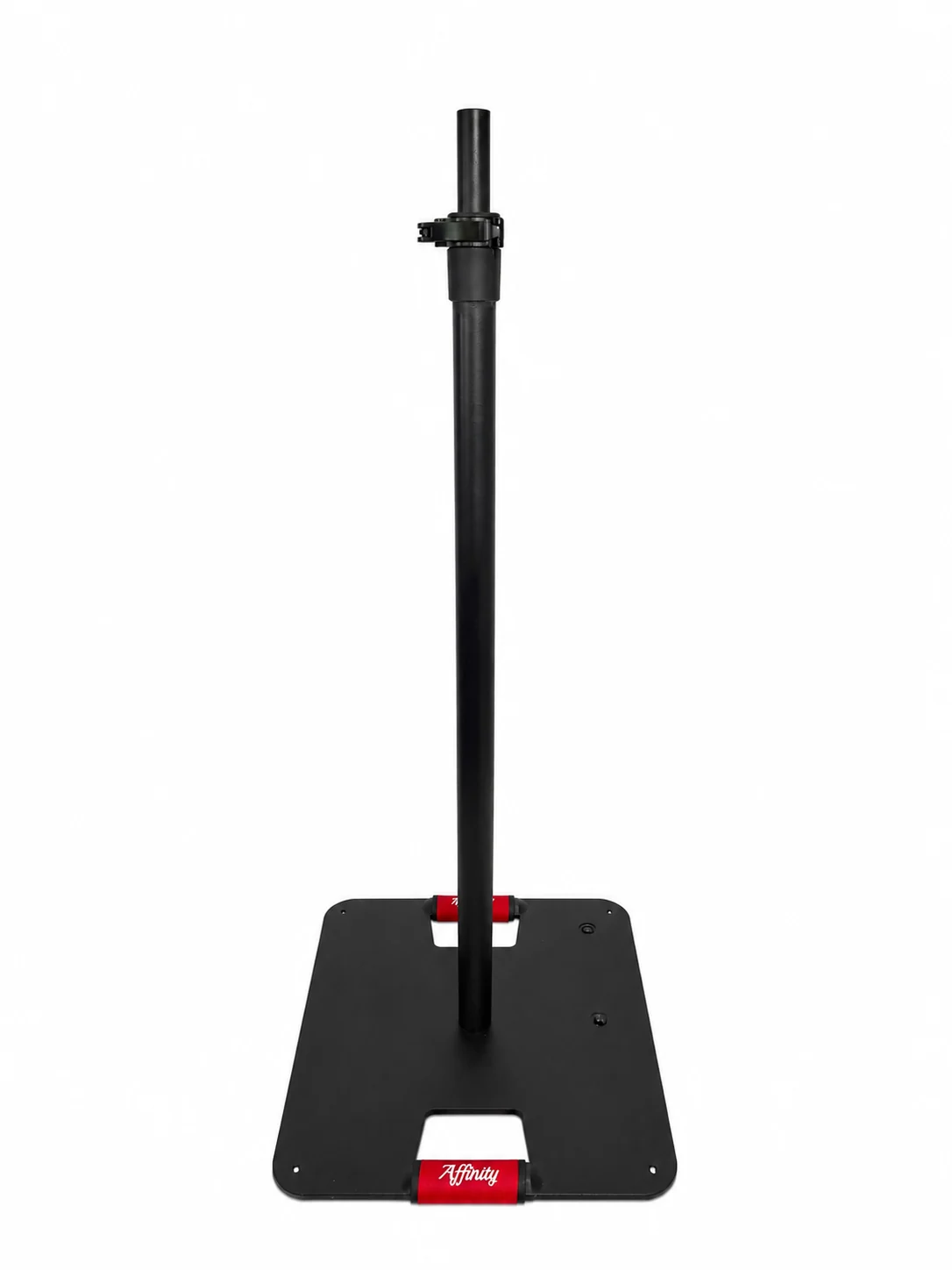
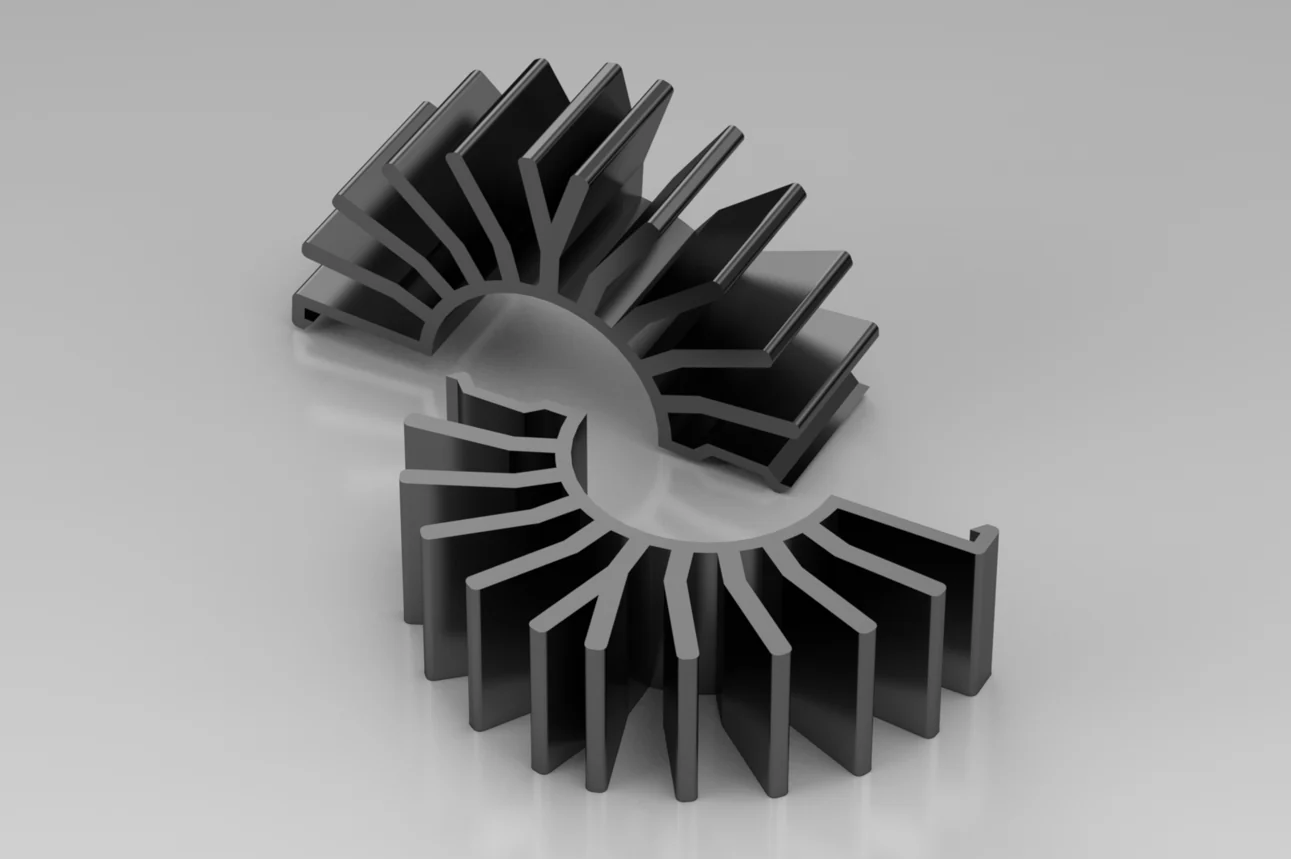
Understand the interfaces
Review intended movement, surrounding geometry, loads, access, and how the product is assembled or serviced.

CINCINNATI-BASED / REMOTE ACROSS THE U.S.
Resolve how the parts fit, move, carry loads, and come together—before the design reaches the shop floor.
THE SERVICE, IN PRACTICE
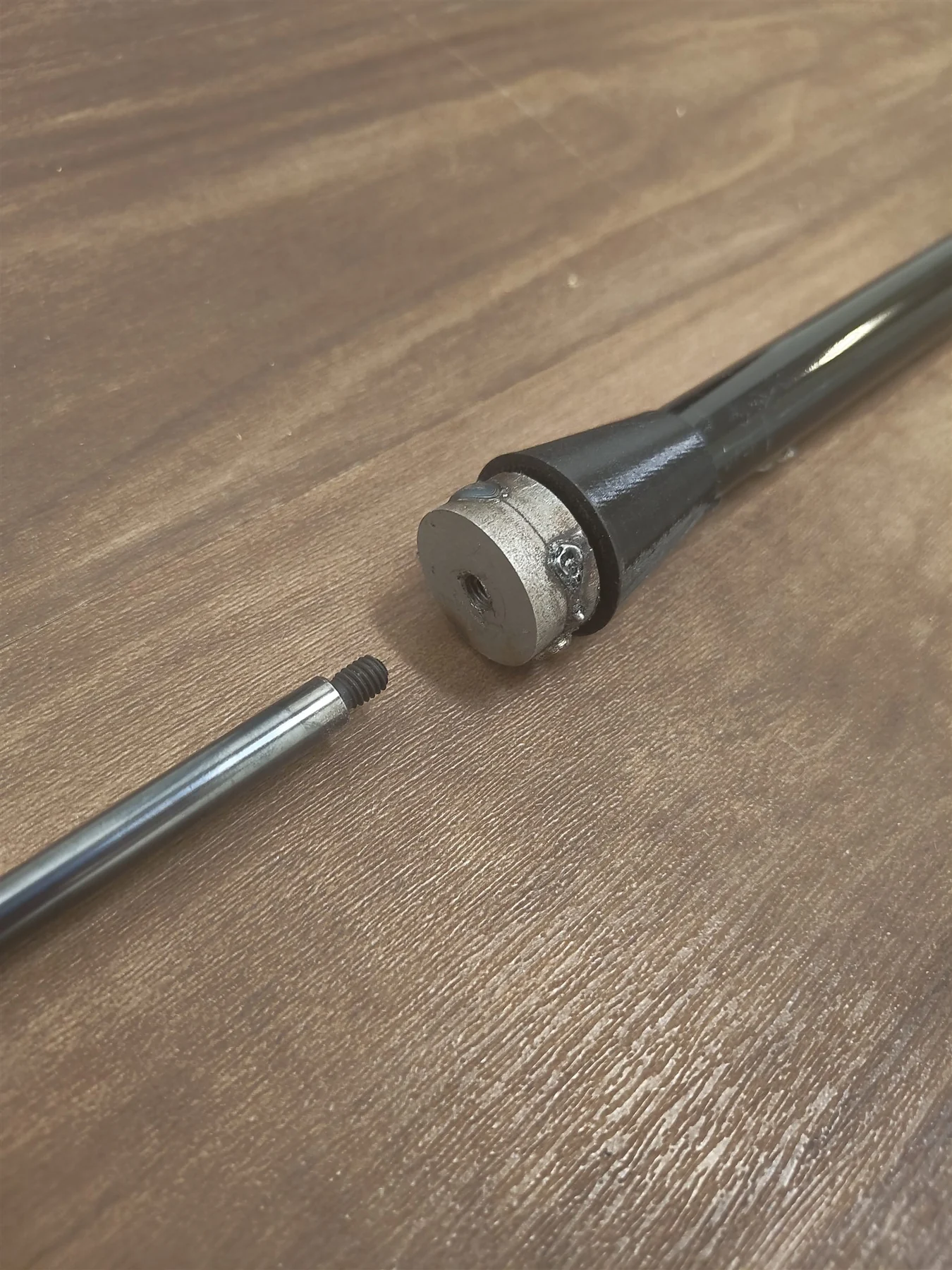
A mechanical design needs more than individual parts that look correct. Interfaces, clearances, motion, attachment methods, and assembly access have to work together. Creators Node develops those details in the context of the complete product and its intended use.
The scope might be a lift-assisted mechanism, a modular payload interface, or a difficult fit between existing components. CAD establishes the geometry; analysis or physical prototypes can then investigate the project-specific questions. Assumptions, operating conditions, and validation requirements are discussed before selecting an approach.
WHAT YOU CAN RECEIVE
The specific files, review points, tests, and revisions are agreed for your project. Not every engagement includes every item.
WHO THIS HELPS
HOW THE WORK MOVES FORWARD
Review intended movement, surrounding geometry, loads, access, and how the product is assembled or serviced.
Develop the parts and assembly around practical clearances, attachment features, and manufacturing constraints.
Use appropriately scoped analysis, fit checks, or prototypes to investigate the design before the next handoff.
RELATED ENGINEERING WORK
QUESTIONS ABOUT MECHANICAL DESIGN
Yes. A defined mechanism or interface can be the entire engagement. The surrounding assembly and its constraints still need to be understood so the revised part works in context.
Structural analysis can be part of an agreed mechanical-design scope where it is appropriate. The loads, boundary conditions, material assumptions, and need for physical validation must be established for the specific design.
Yes. Existing files, problem descriptions, and prototype or supplier feedback help identify what needs to change. File compatibility and how much of the model can be reused are reviewed first.
CAD modeling defines and documents geometry. Mechanical design also works through the decisions behind it: movement, interfaces, loads, assembly, material choice, and how the hardware will be made and evaluated.