Confirm the design intent
Review the model, mating parts, critical features, manufacturing method, and the intended recipient of the package.

CINCINNATI-BASED / REMOTE ACROSS THE U.S.
Give the person making the part the information that the model alone does not communicate.
THE SERVICE, IN PRACTICE
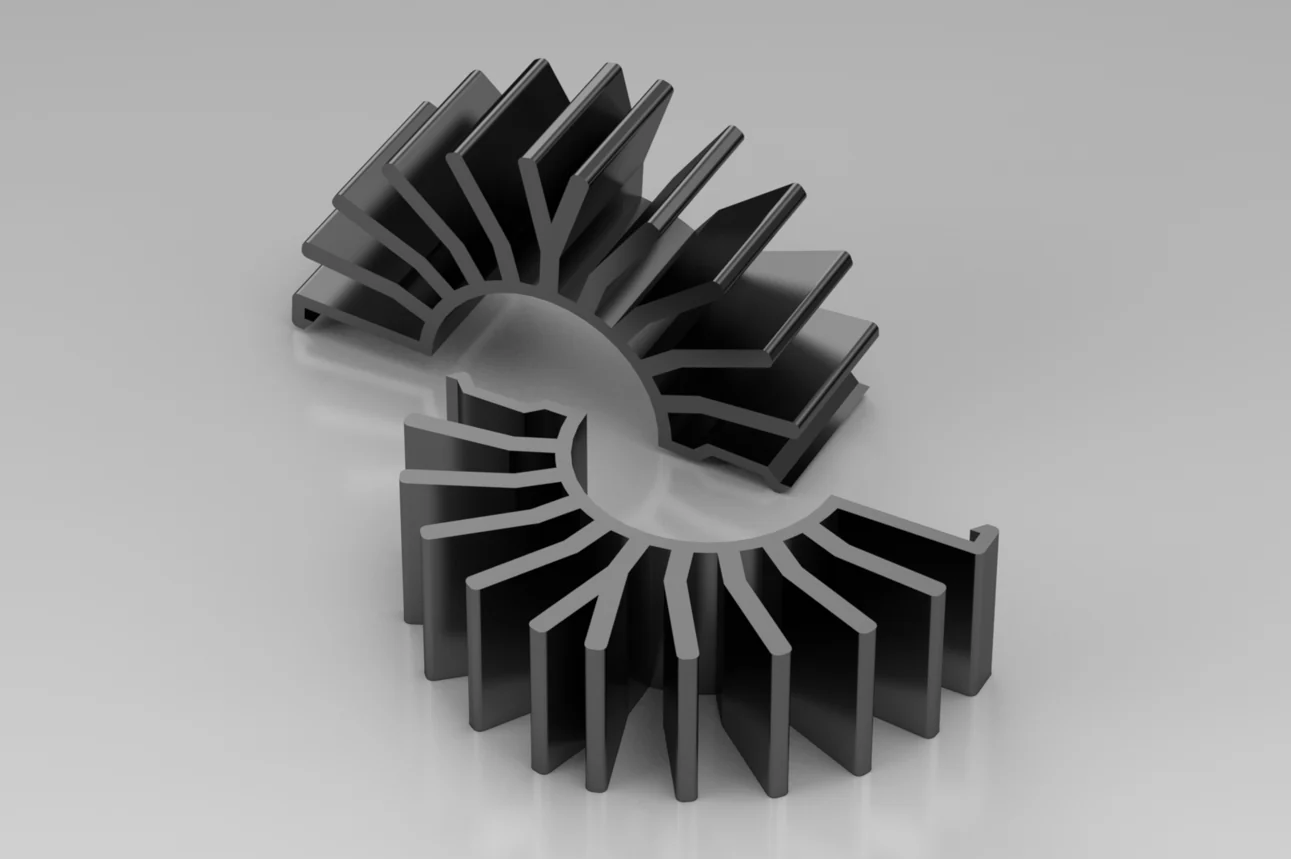
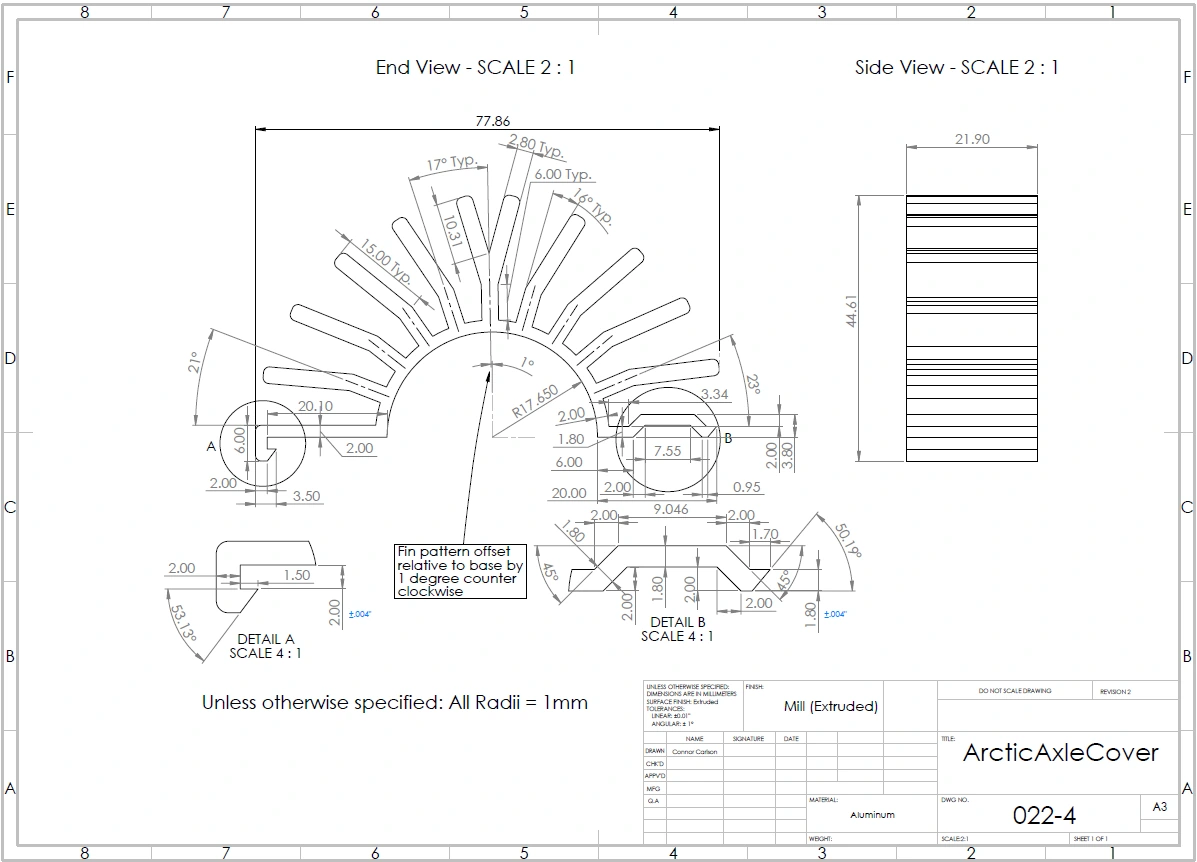
A manufacturing drawing translates a mechanical design into an understandable set of requirements. Depending on the part and process, that can include views, dimensions, tolerances, material information, and notes about the features that matter to fit and function.
Creators Node prepares drawings from agreed engineering geometry and helps resolve gaps between a model and the intended manufacturing handoff. Critical interfaces and supplier requirements are reviewed before documentation is treated as complete. A drawing package can support quoting or fabrication, but its purpose, approval status, and included files should always be explicit.
WHAT YOU CAN RECEIVE
The specific files, review points, tests, and revisions are agreed for your project. Not every engagement includes every item.
WHO THIS HELPS
HOW THE WORK MOVES FORWARD
Review the model, mating parts, critical features, manufacturing method, and the intended recipient of the package.
Create useful views and dimensions, and work through the tolerances and notes the specific design needs.
Check consistency between the agreed geometry and documentation, then organize the deliverable files for their intended use.
RELATED ENGINEERING WORK
QUESTIONS ABOUT MANUFACTURING DRAWINGS
The model communicates geometry, but it may not communicate tolerances, material requirements, critical interfaces, or fabrication notes. A drawing helps make those requirements explicit for the receiving team.
Yes. Existing CAD can be reviewed as the starting point. Unclear geometry, missing interface requirements, or unresolved design decisions should be addressed before the drawing is used for fabrication.
An agreed drawing and CAD package can support quotation requests. The scope should identify the information suppliers need and whether the files are for quotation, prototype fabrication, or a later production milestone.
No. Tolerances should reflect function, fit, manufacturing capability, and any agreed requirements. Critical dimensions and interfaces need deliberate review rather than arbitrary values applied to every feature.